

- by x32x01 ||
Artificial Intelligence is no longer something coming in the future.
AI is already transforming careers, companies, and entire industries.
From software development and cybersecurity to marketing, finance, and business operations - the impact of AI disruption is accelerating faster than most professionals expected.
For developers, IT specialists, cybersecurity experts, and tech enthusiasts, understanding how AI will reshape jobs is not optional anymore.
It’s essential.
Because in the AI era, career survival is no longer random.
It is strategic preparation.
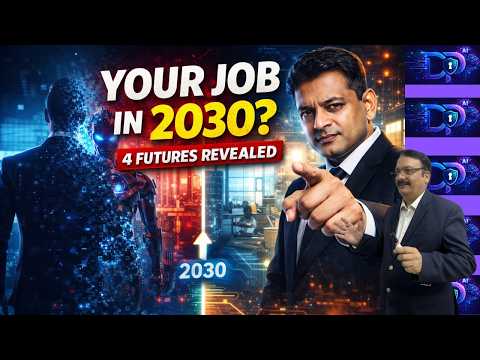
In this article, we break down the four possible futures of jobs in the age of Artificial Intelligence — and how you can prepare for them starting today.
For example, developers now use AI tools to write code faster.
In cybersecurity, AI helps detect threats faster than traditional systems.
The result?
Some jobs will disappear, some will evolve, and new roles will emerge.
Let’s explore the four possible futures for careers in the AI era.
These are the easiest targets for automation.
Examples include:
For example, AI chatbots can now replace large portions of traditional support teams.
Professionals in these roles must upgrade their skill sets quickly.
Otherwise, automation may replace them.
Instead of replacing workers, AI will act as a powerful assistant.
Examples include:
Cybersecurity experts use AI-powered tools to analyze millions of logs automatically.
The key shift is this:
Humans will work with AI, not compete against it.
Professionals who learn to leverage AI tools will become significantly more productive.
These roles focus on creativity, strategy, leadership, and technical expertise.
High-demand roles include:
Example of a simple machine learning workflow:
AI doesn't remove these roles.
It increases their importance.
Companies desperately need experts who understand how to build, manage, and secure AI systems.
They combine three key skills:
A developer who uses AI tools to ship products faster becomes more competitive.
And a manager who understands AI-driven workflows can lead teams more effectively.
The difference between winners and losers in the AI era is simple: Preparation.
Important areas include:
Automation skills are becoming essential for modern professionals.
Examples:
It is already reshaping the global workforce.
Some jobs will disappear.
Some will evolve.
Some will become more valuable than ever.
But the biggest opportunities will belong to those who prepare early, learn continuously, and adapt quickly.
The next decade will not treat everyone equally.
Make sure you are on the right side of the AI revolution.
🎥 Full video explanation here:
AI is already transforming careers, companies, and entire industries.
From software development and cybersecurity to marketing, finance, and business operations - the impact of AI disruption is accelerating faster than most professionals expected.
For developers, IT specialists, cybersecurity experts, and tech enthusiasts, understanding how AI will reshape jobs is not optional anymore.
It’s essential.
Because in the AI era, career survival is no longer random.
It is strategic preparation.
In this article, we break down the four possible futures of jobs in the age of Artificial Intelligence — and how you can prepare for them starting today.
Why AI Is Changing the Job Market So Fast 🚀
Several major technology shifts are happening at the same time:- Generative AI
- Automation
- Machine Learning
- AI-assisted development
- Autonomous systems
For example, developers now use AI tools to write code faster.
Python:
# Example: AI-assisted Python code
def analyze_logs(file):
    with open(file, "r") as f:
        for line in f:
            if "error" in line.lower():
print(line) Bash:
# Example of automated network scanning
nmap -sV -O target-ipSome jobs will disappear, some will evolve, and new roles will emerge.
Let’s explore the four possible futures for careers in the AI era.
Future #1: Jobs That Will Disappear ⚠️
Some roles rely heavily on repetitive, rule-based tasks.These are the easiest targets for automation.
Examples include:
- Basic data entry
- Simple customer support
- Manual report generation
- Basic content production
- Routine administrative work
For example, AI chatbots can now replace large portions of traditional support teams.
JavaScript:
// Example: Simple AI chatbot logic
if(user_question.includes("password reset")){
    return "Click the reset password link.";
}Otherwise, automation may replace them.
Future #2: Jobs That Will Transform 🔄
Many jobs will not disappear - they will change dramatically.Instead of replacing workers, AI will act as a powerful assistant.
Examples include:
- Software developers
- cybersecurity analysts
- digital marketers
- financial analysts
- product managers
Bash:
git commit -m "AI-assisted code optimization"The key shift is this:
Humans will work with AI, not compete against it.
Professionals who learn to leverage AI tools will become significantly more productive.
Future #3: Jobs That Will Dominate the Market 🧠
Some careers will become even more valuable in the AI era.These roles focus on creativity, strategy, leadership, and technical expertise.
High-demand roles include:
- AI engineers
- cybersecurity specialists
- machine learning engineers
- data scientists
- cloud architects
- AI product managers
Example of a simple machine learning workflow:
Python:
from sklearn.model_selection import train_test_split
from sklearn.linear_model import LogisticRegressionIt increases their importance.
Companies desperately need experts who understand how to build, manage, and secure AI systems.
Future #4: The Winners of the AI Era 🏆
The biggest winners will be professionals who adapt early.They combine three key skills:
- Technical knowledge
- AI literacy
- strategic thinking
A developer who uses AI tools to ship products faster becomes more competitive.
And a manager who understands AI-driven workflows can lead teams more effectively.
The difference between winners and losers in the AI era is simple: Preparation.
How to Future-Proof Your Career in the AI Era 🔐
If you want to stay relevant in the next decade, focus on these strategies:Learn AI Fundamentals
Understand concepts like:- machine learning
- neural networks
- generative AI
- automation
Build Technical Skills
Technical knowledge will remain extremely valuable.Important areas include:
- programming (Python, JavaScript)
- cybersecurity
- cloud computing
- data analysis
Python:
import os

for file in os.listdir():
print(file)Learn How to Work With AI Tools
Instead of competing with AI, learn how to use it effectively.Examples:
- AI coding assistants
- automated cybersecurity tools
- AI analytics platforms
- prompt engineering
Focus on Human Skills 🤝
AI is powerful, but it still struggles with:- leadership
- critical thinking
- creativity
- communication
Final Thoughts
Artificial Intelligence is not a distant future.It is already reshaping the global workforce.
Some jobs will disappear.
Some will evolve.
Some will become more valuable than ever.
But the biggest opportunities will belong to those who prepare early, learn continuously, and adapt quickly.
The next decade will not treat everyone equally.
Make sure you are on the right side of the AI revolution.
🎥 Full video explanation here:
👆 Click The Image To Watch The Video 👆


