
- by x32x01 ||

Instinct AI is getting attention for its approach to AI agents that can do more than answer questions. Instead of simply giving you instructions, an AI agent can potentially interact with apps, handle tasks, organize information, and take actions on your behalf.
But giving an AI agent access to personal apps, messages, files, and accounts also raises important privacy and security questions. How does Instinct work, what can it do, and what should you consider before using it? 🤖
Depending on the tools, integrations, and permissions available, AI agents can help with tasks such as:
The key difference: An AI agent may not only tell you what to do, but can also attempt to do it for you.
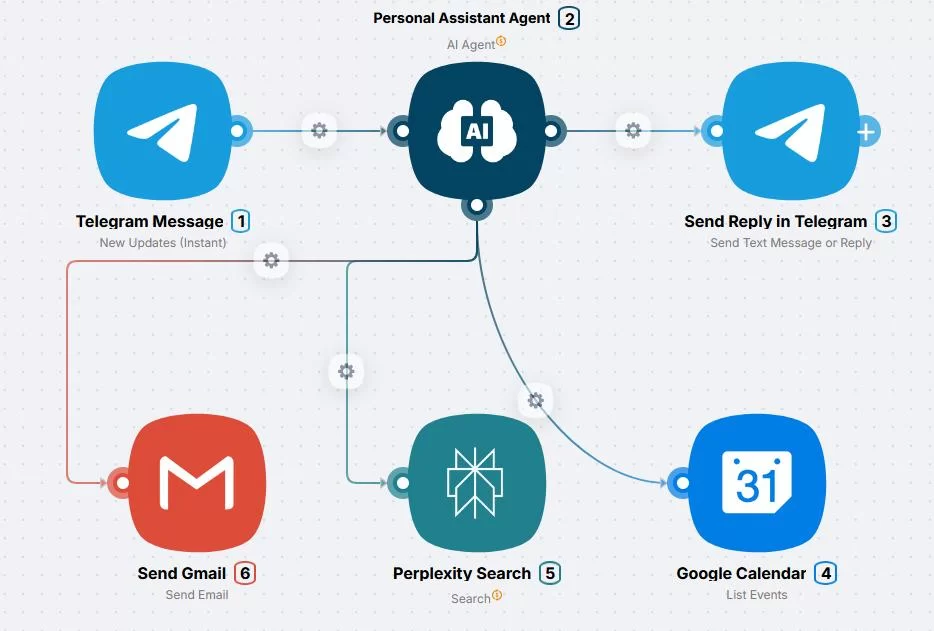
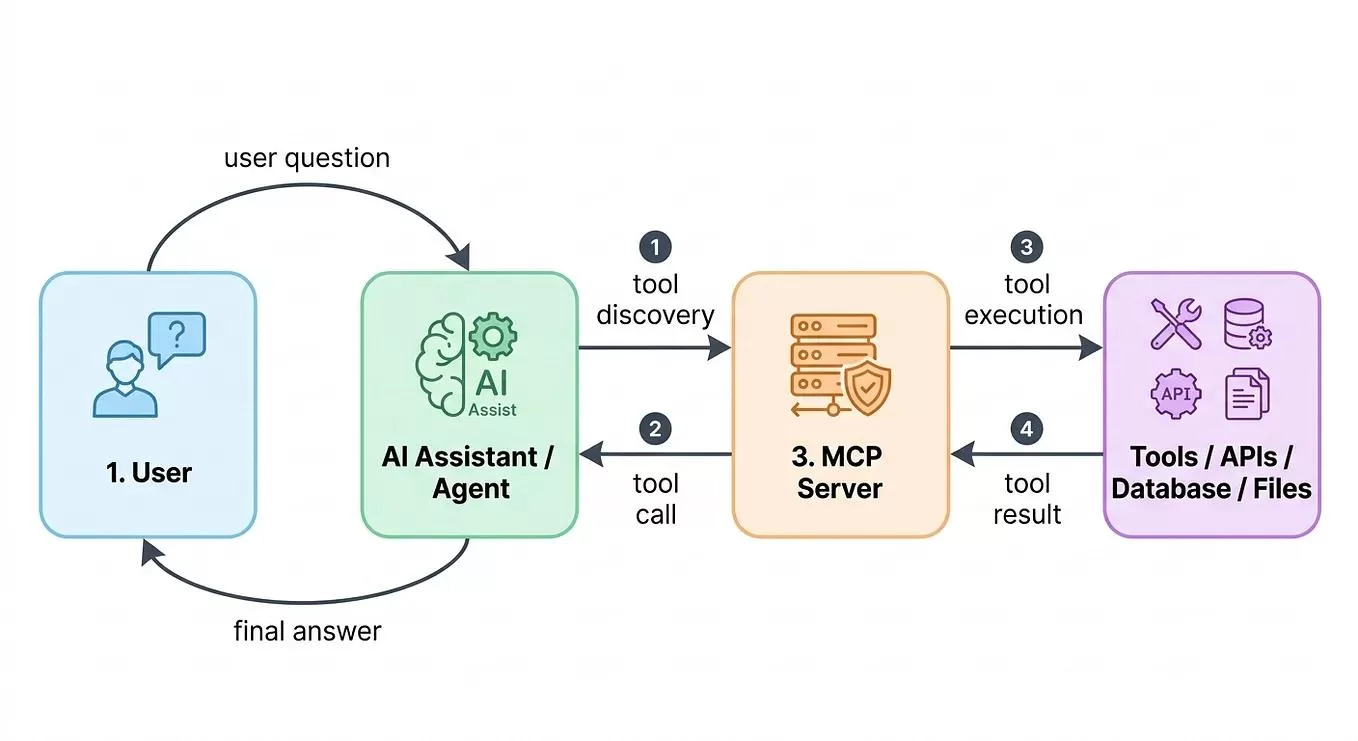
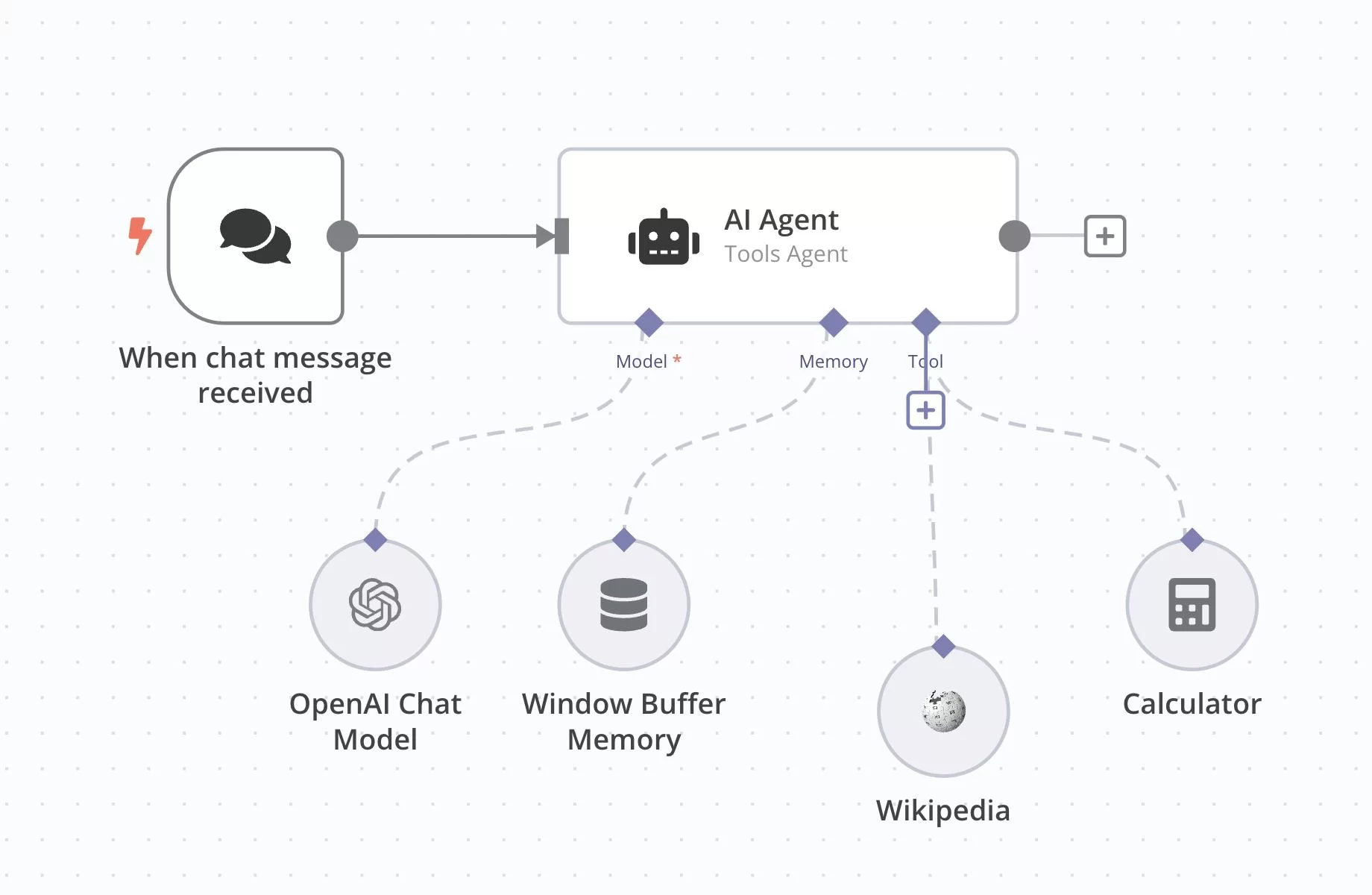
Instead of opening a separate application every time, an assistant accessible through messaging can make it easier to send instructions, request information, or delegate tasks through text or voice, depending on the service's supported features.
This could make AI assistance more convenient, particularly for everyday tasks.
An AI agent connected to email, messaging apps, files, or other personal accounts may require permissions that allow it to access sensitive information or perform actions. The actual level of access depends on the platform, integration, and permissions you grant.
Before connecting your accounts, consider the following risks:
However, giving an AI agent access to your digital life requires trust, transparency, and strong security controls.
The technology is exciting, but it's worth understanding exactly what an agent can access, what it can do, and how your data is handled before giving it control over your accounts.
But giving an AI agent access to personal apps, messages, files, and accounts also raises important privacy and security questions. How does Instinct work, what can it do, and what should you consider before using it? 🤖
🤖 What Is Instinct AI?
Instinct is presented as an AI-powered assistant designed to go beyond traditional chatbots. Instead of asking an AI how to complete a task and doing everything yourself, you can delegate certain tasks to an AI agent that may be able to perform them for you.Depending on the tools, integrations, and permissions available, AI agents can help with tasks such as:
- 🔎 Searching for information and researching topics.
- 📧 Reading and organizing emails.
- 💬 Handling messages through supported apps.
- 📂 Working with files, documents, and other content.
- 📅 Organizing schedules and daily tasks.
- 🌐 Interacting with websites and supported applications.
- 🛒 Assisting with online shopping and other workflows.
⚡ How Is Instinct Different From Traditional AI Chatbots?
Traditional AI chatbots usually respond to questions, generate content, or explain how to perform a task. AI agents take things a step further by potentially interacting with external tools and carrying out actions.| Traditional AI Chatbot | AI Agent |
|---|---|
| Answers questions | Can perform assigned tasks |
| Provides instructions | Can interact with supported tools |
| Generates text | Can execute workflows |
| Requires you to perform most actions | Can automate some actions |
| Primarily conversational | Can combine conversation with execution |
📱 Can Instinct Work Through WhatsApp?
One of the interesting aspects associated with AI assistants like Instinct is the ability to interact through familiar messaging interfaces, potentially including WhatsApp.Instead of opening a separate application every time, an assistant accessible through messaging can make it easier to send instructions, request information, or delegate tasks through text or voice, depending on the service's supported features.
This could make AI assistance more convenient, particularly for everyday tasks.
🔐 The Privacy Risks of AI Agents
The more access an AI agent receives, the more carefully you should evaluate its security and privacy practices.An AI agent connected to email, messaging apps, files, or other personal accounts may require permissions that allow it to access sensitive information or perform actions. The actual level of access depends on the platform, integration, and permissions you grant.
Before connecting your accounts, consider the following risks:
- Personal data access: Connected services may expose emails, files, messages, or other information to the AI system.
- Financial actions: Agents with access to purchasing workflows or payment-related services could potentially initiate transactions, depending on their permissions.
- Account security: Access to authentication messages, recovery information, or account management tools could increase security risks.
- Data retention: Some information may be retained after you disconnect an integration or uninstall an application, depending on the provider's policies.
- Unauthorized actions: Mistakes, malicious instructions, or compromised integrations could result in actions you did not intend.
🛡️ How to Use AI Agents More Safely
If you're experimenting with AI agents that interact with your personal accounts, follow these precautions:- Give the agent only the permissions it actually needs.
- Avoid connecting banking accounts or granting unrestricted payment access.
- Be cautious about granting access to authentication codes and account recovery messages.
- Review the privacy policy and data retention terms before connecting services.
- Use confirmation requirements for purchases, messages, and other sensitive actions.
- Disconnect integrations you no longer need.
- Avoid uploading sensitive documents unless necessary.
🚀 What Can AI Agents Help You Do?
AI agents could make everyday tasks easier by helping with:- 📚 Organizing study schedules and learning materials.
- 🌐 Translating texts and documents.
- 📝 Creating summaries, quizzes, and study questions.
- 📧 Organizing emails and preparing replies.
- 📅 Managing tasks and appointments.
- 🔎 Researching information and collecting resources.
- 💼 Assisting with job applications and other work-related tasks.
💡 Are AI Agents the Future of AI?
AI agents represent an important shift in how people interact with artificial intelligence. Instead of being limited to answering questions, they are increasingly designed to assist with real tasks.However, giving an AI agent access to your digital life requires trust, transparency, and strong security controls.
The technology is exciting, but it's worth understanding exactly what an agent can access, what it can do, and how your data is handled before giving it control over your accounts.
Last edited: